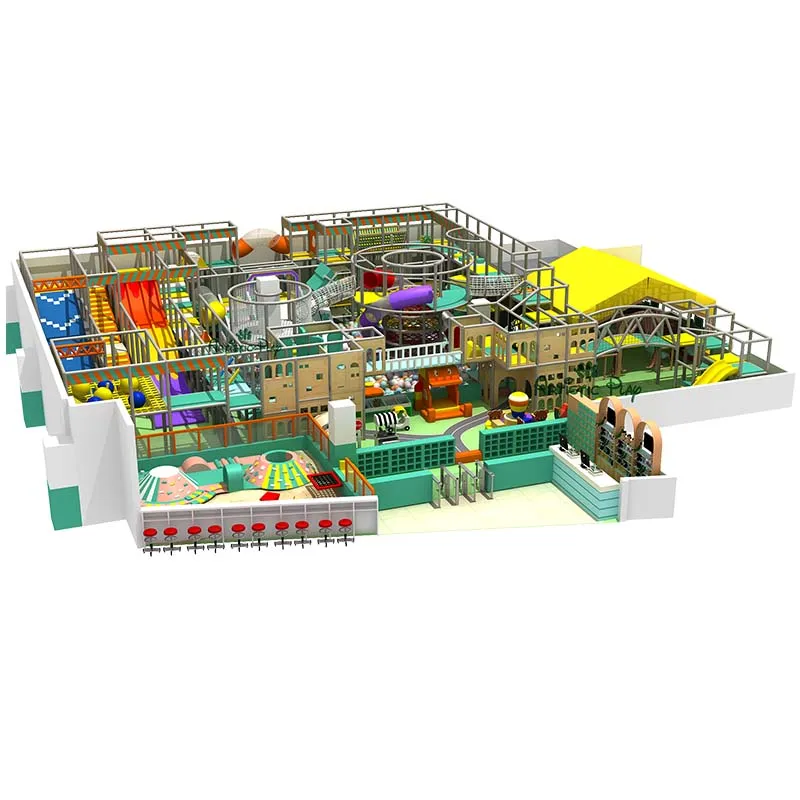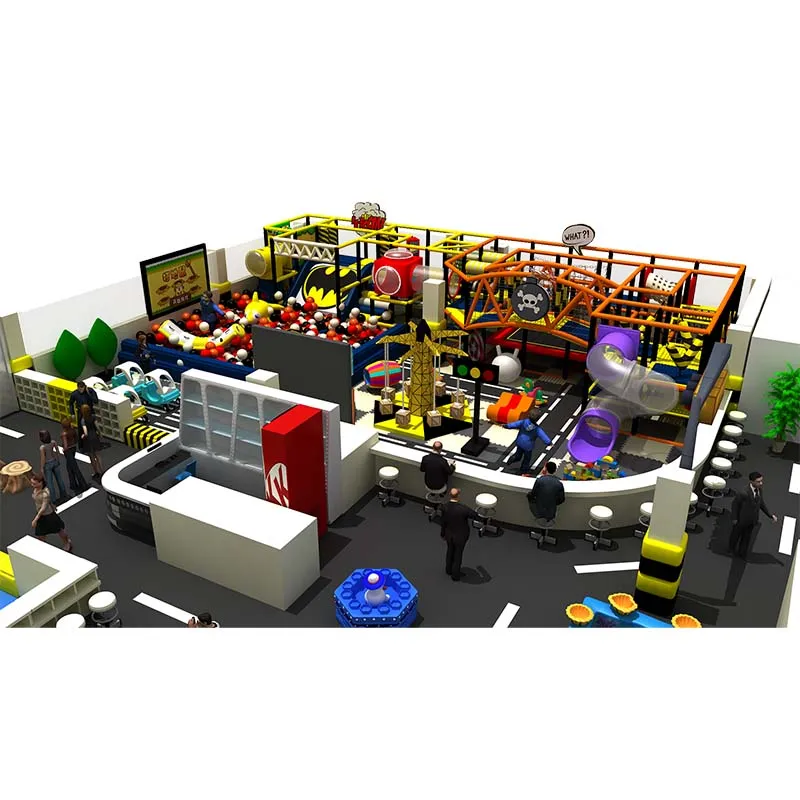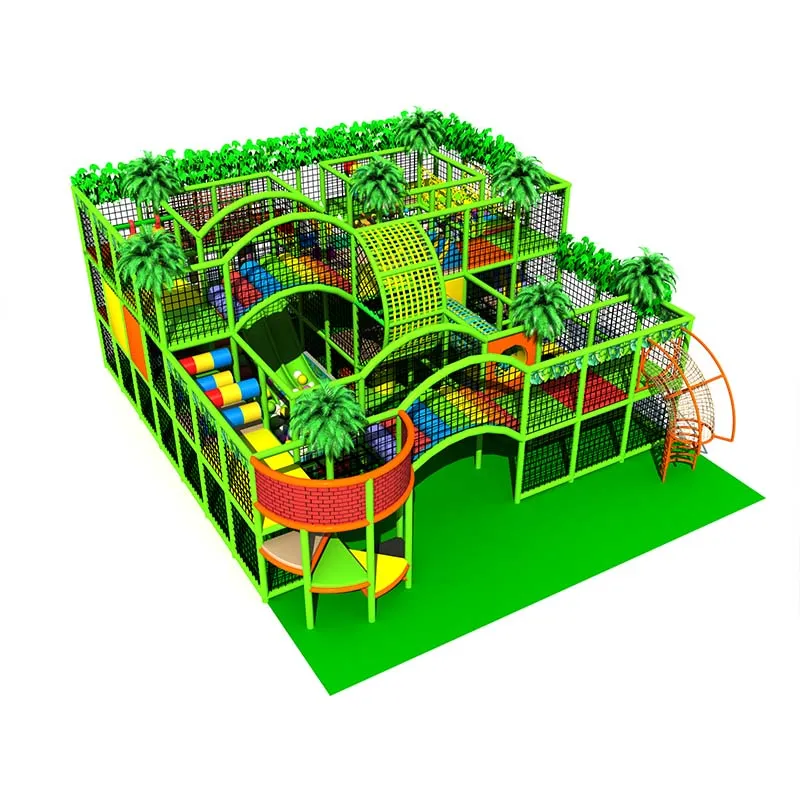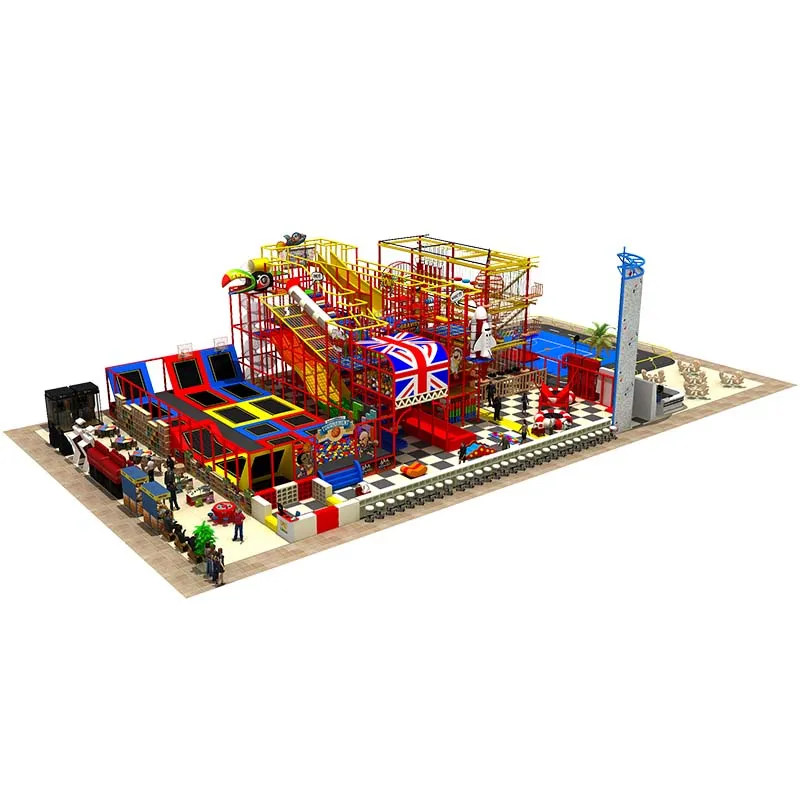
Indoor playgrounds and commercial trampoline parks are evolving in 2026. This guide explores trends, design tips, investment potential, and operational insights for entrepreneurs looking to start a profitable family entertainment center.
Opening a commercial indoor playground combined with a trampoline park is one of the fastest-growing family entertainment opportunities in 2026. Parents seek safe, engaging spaces for children, while investors want a high-return business model. This article helps you understand market trends, design considerations, and strategies to maximize profitability.

1. Why Indoor Kids Playgrounds and Trampoline Parks Are Popular in 2026
- Growing Demand: Parents want safe, stimulating indoor activities for children.
- Year-Round Operation: Indoor parks aren’t affected by weather, providing stable revenue.
- Combination Appeal: Trampoline areas add excitement and physical activity to traditional play zones.
2. Key Design Trends for 2026
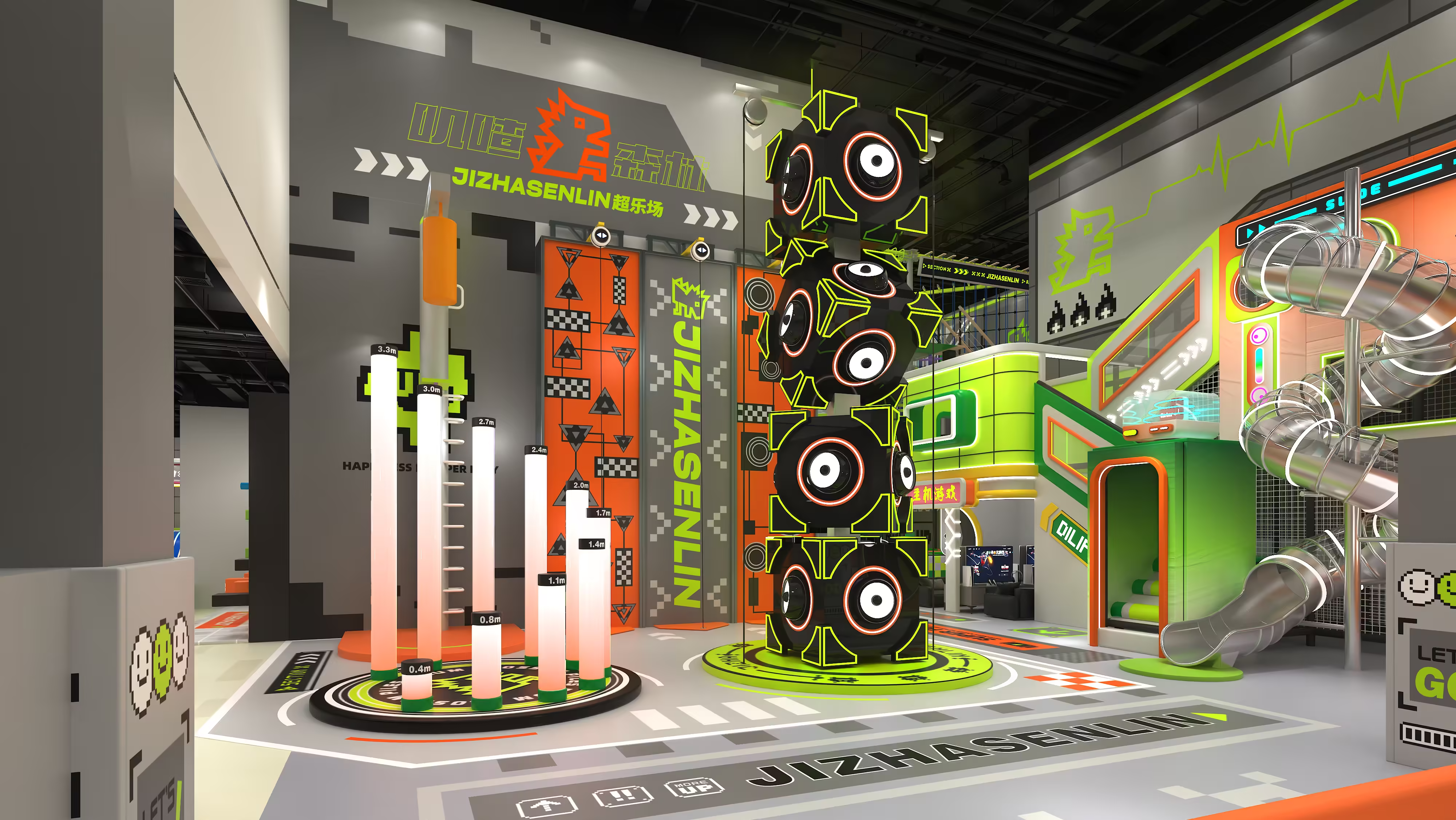
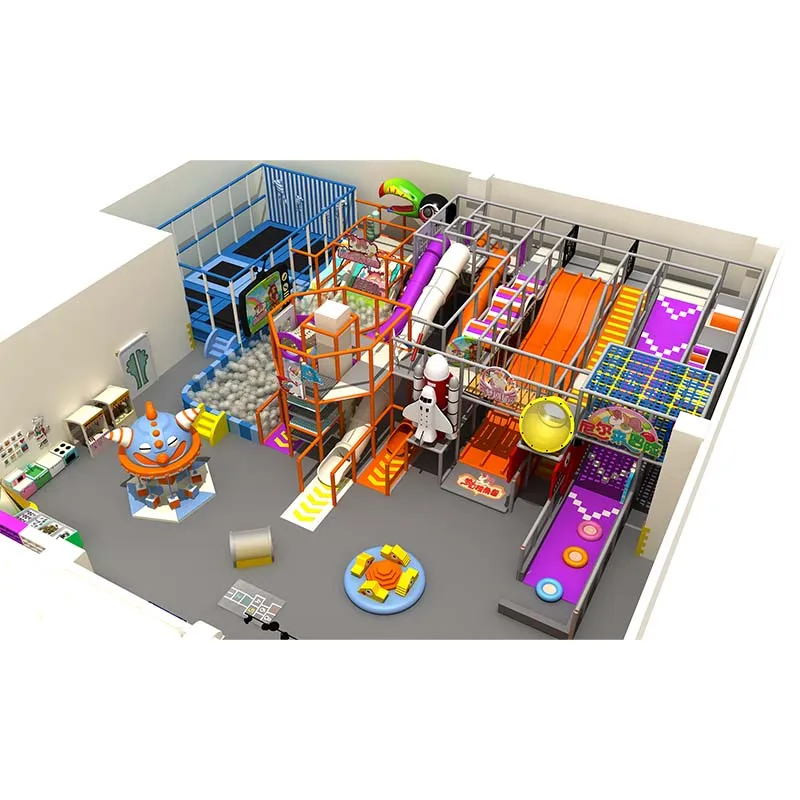
- Interactive & Themed Zones: Soft play, slides, ball pits, and sensory areas for younger kids.
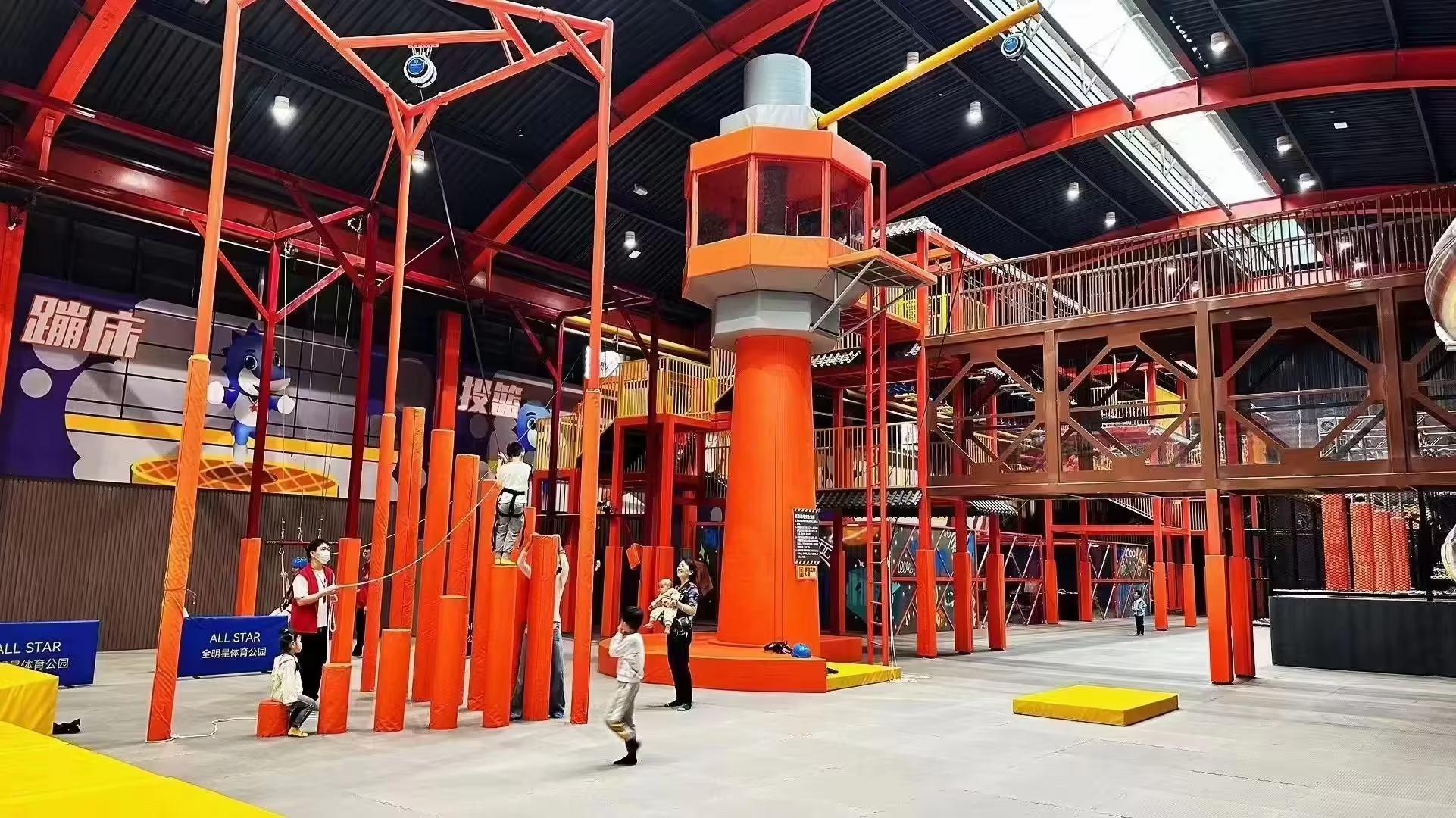
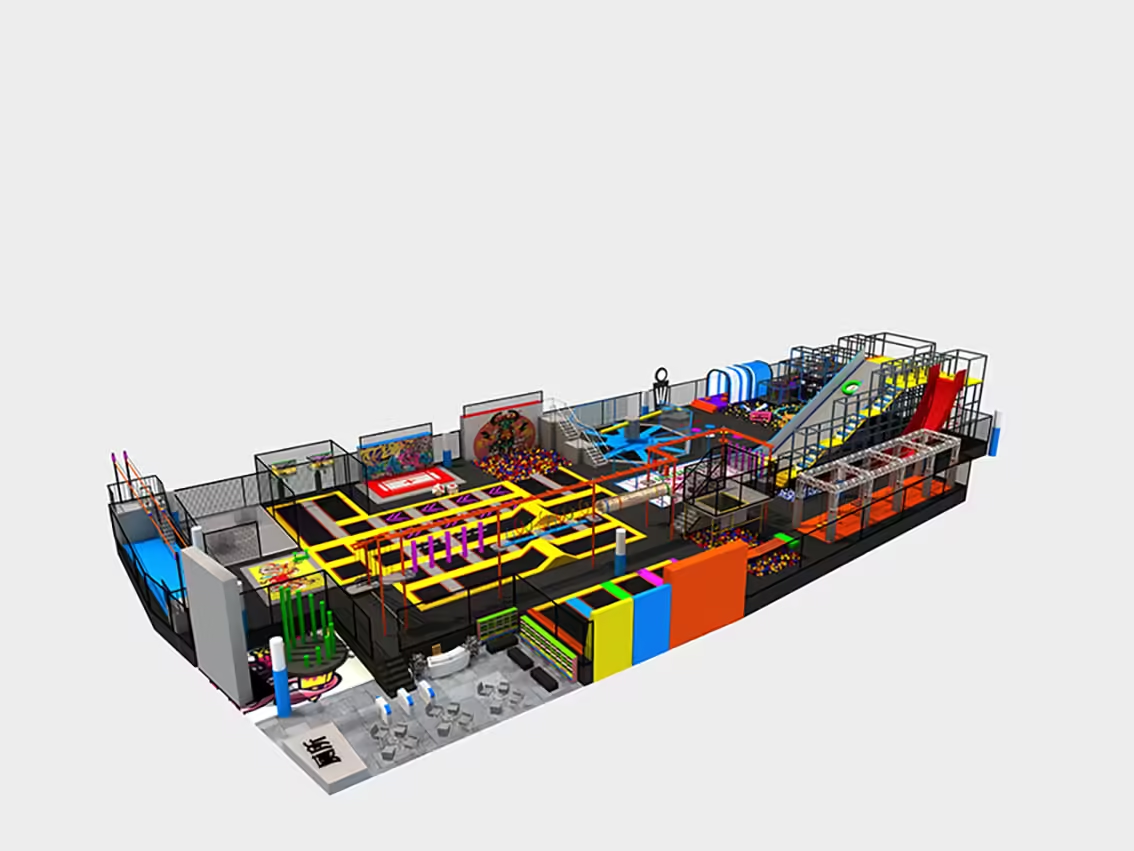
- Trampoline Innovations: Ninja courses, dodgeball courts, and foam pits for older children.
- Safety & Compliance: Padded flooring, netting, and certified materials are essential for risk management.
- Parent-Friendly Spaces: Cafes, seating, and Wi-Fi zones enhance the customer experience.
3. How to Plan Your Business
- Market Research: Study competitors, local demand, and demographics.
- Budgeting & ROI: Estimate investment costs, expected revenue, and break-even points.
- Staffing & Operations: Hire trained staff for safety supervision and customer service.
- Marketing Strategy: Social media, Google Ads, and partnerships with schools or community centers.
4. Startup Requirements for a Combined Indoor Playground + Trampoline Park
- Space Needs: 1,000–2,500 m² is ideal for a full-scale park.
- Equipment Costs: Indoor playgrounds and trampolines require different investment levels; sourcing from manufacturers directly can save costs.
- Timeline: Small parks can open within 2–3 months; larger projects may take 6–12 months.
5. Profit Potential and Revenue Streams
- Entry Fees & Memberships: Daily tickets, monthly passes, and group packages.
- Party Hosting & Events: Birthday parties and school visits add high-margin revenue.
- Merchandise & Snacks: Selling toys, branded merchandise, and food increases overall profit.
- Trampoline-Specific Revenue: Classes, leagues, and special events for older children and teens.
6. Tips to Stand Out in 2026
- Unique Themes: Offer immersive or educational play areas to differentiate from competitors.
- Integrated Technology: Booking apps, check-in systems, and digital engagement for kids.
- Maintenance & Cleanliness: Regular equipment checks and hygiene protocols boost customer trust.
- Customer Feedback: Continuously adapt to trends and requests from parents and children.
Combining indoor playgrounds with trampoline parks in 2026 provides a strong investment opportunity with high demand. Proper planning, innovative design, and attention to safety can create a profitable, family-friendly business that attracts repeat visitors year-round.