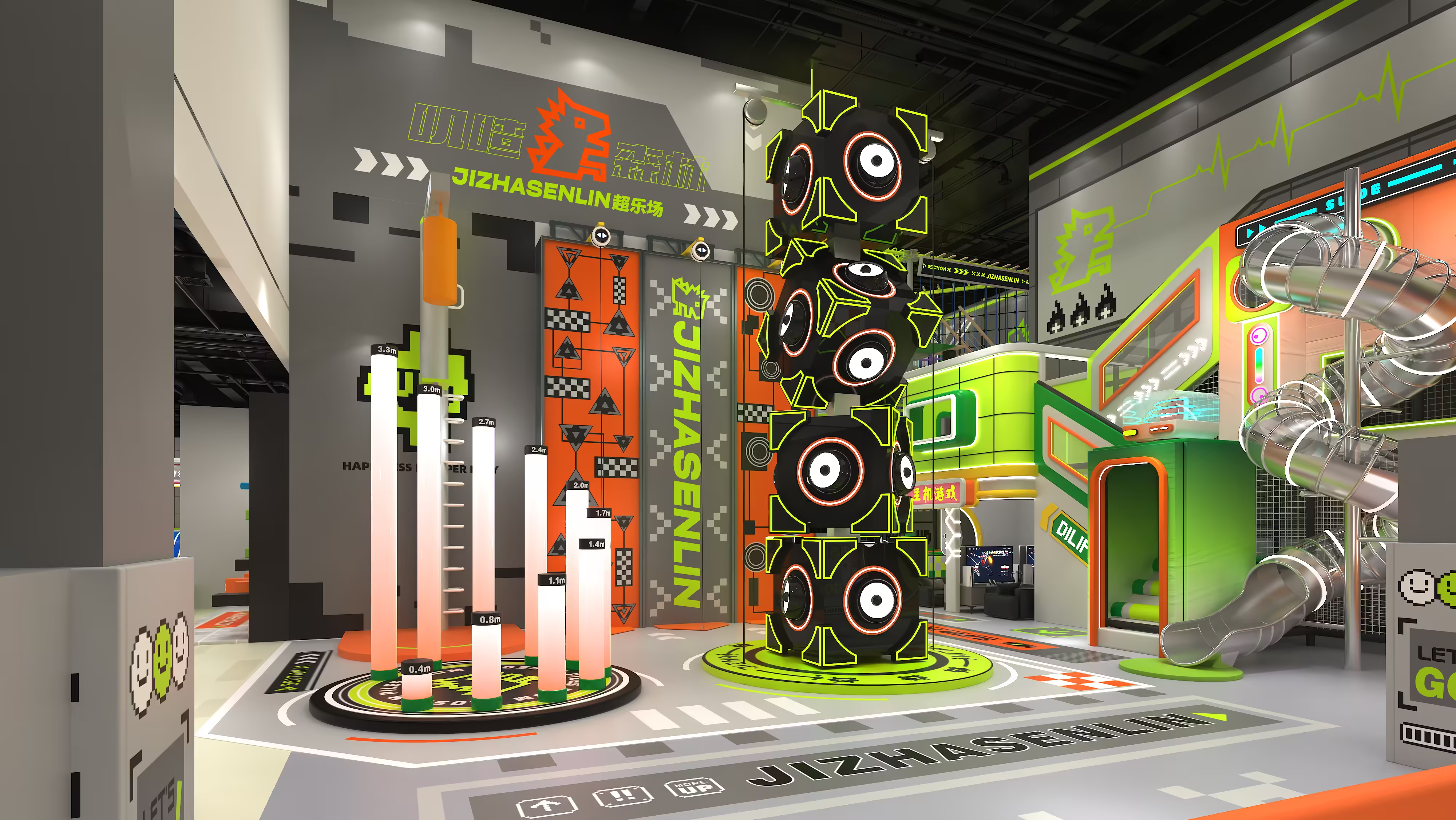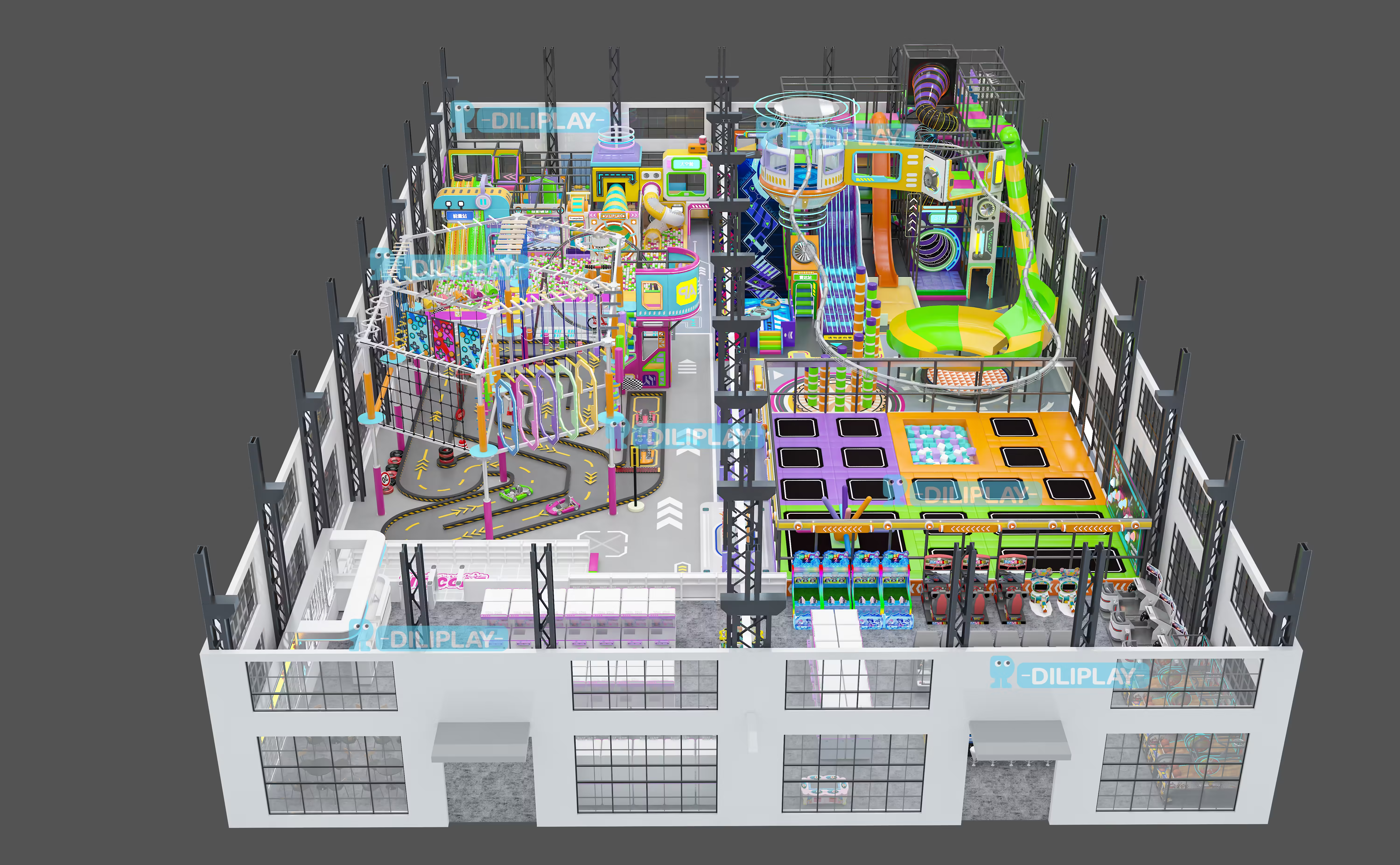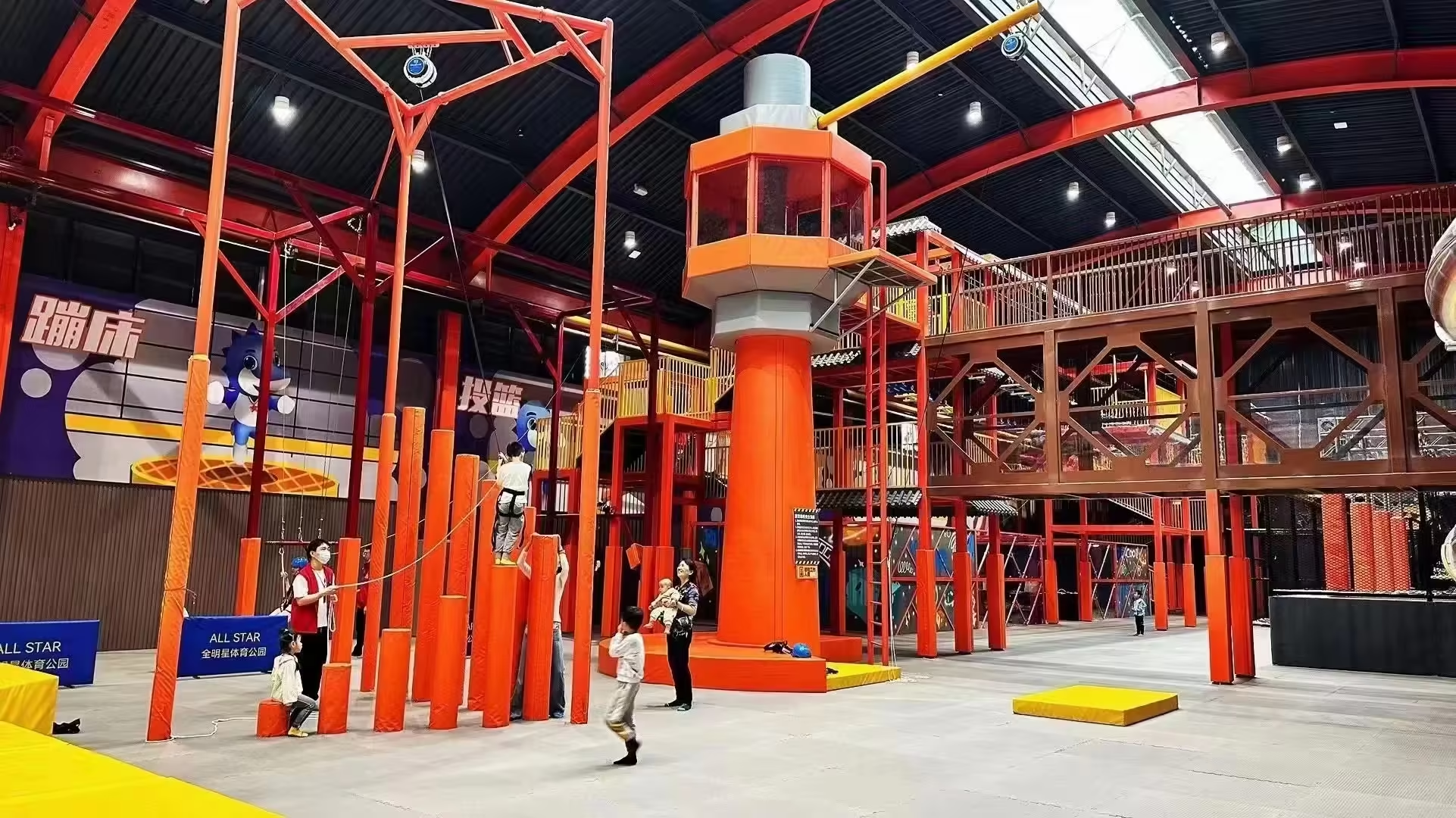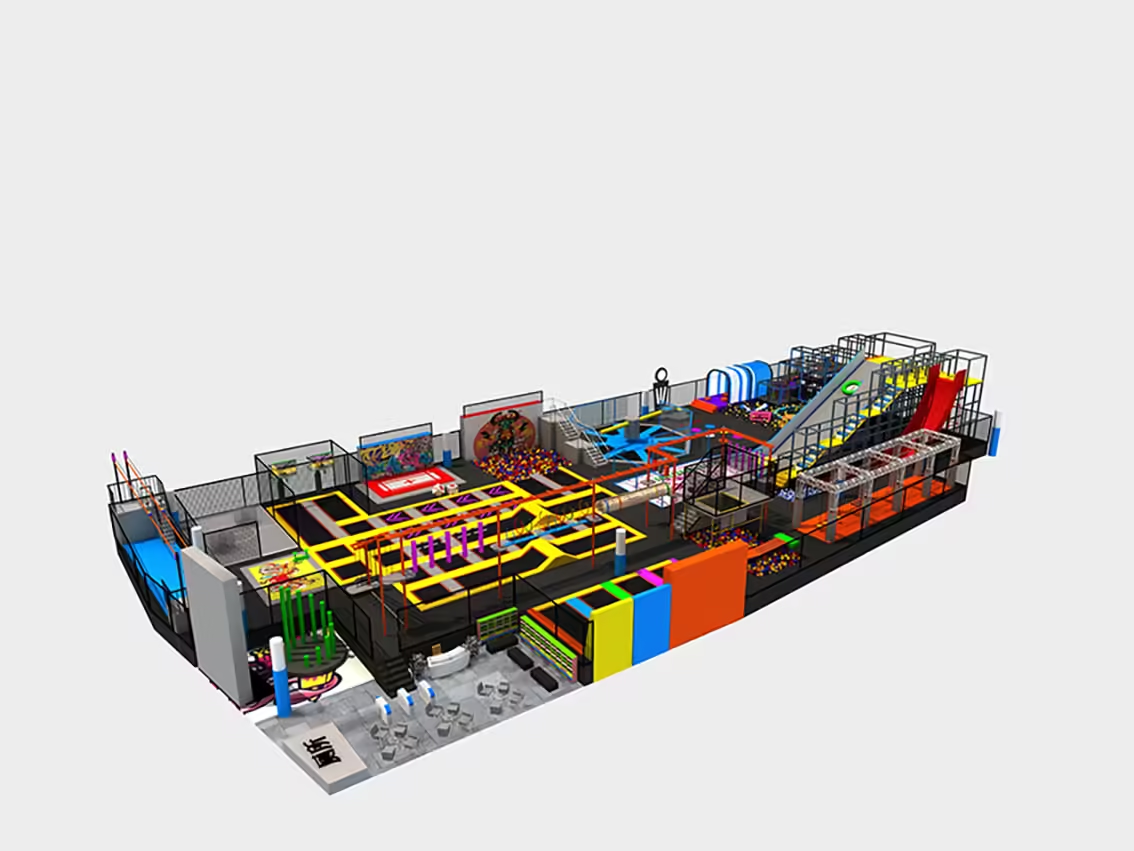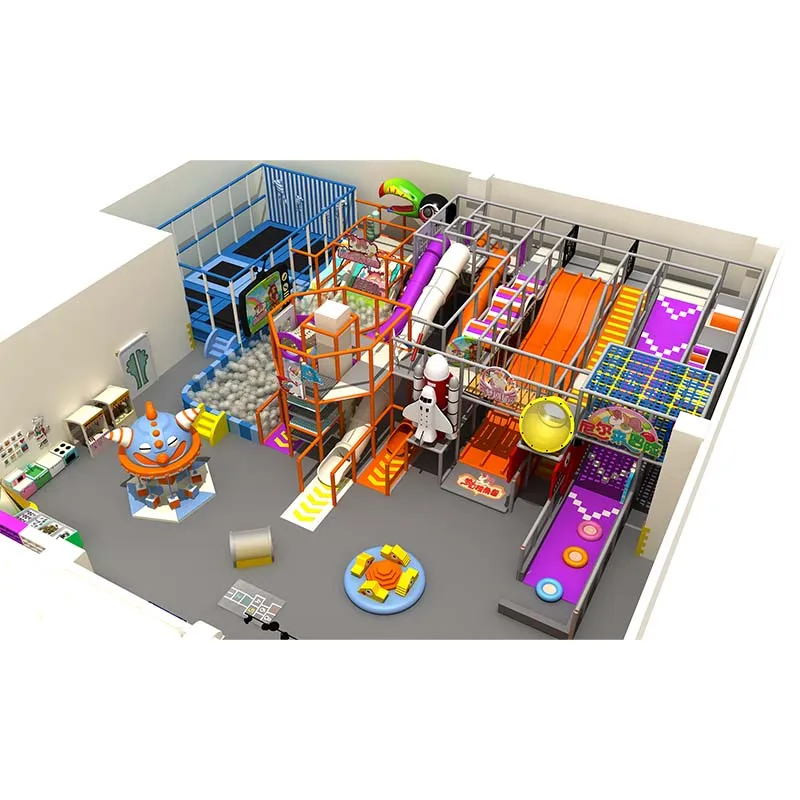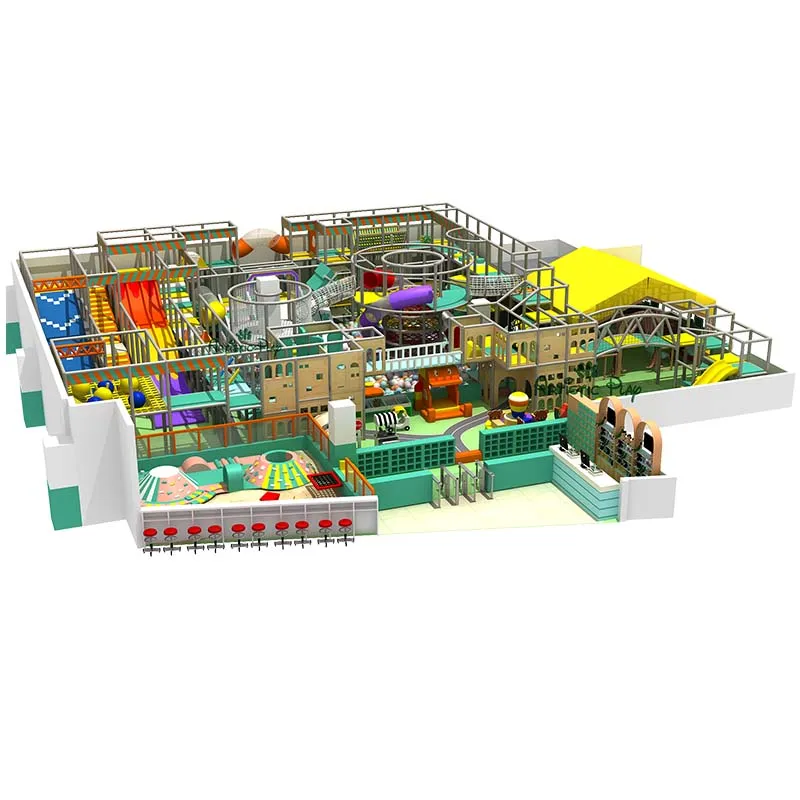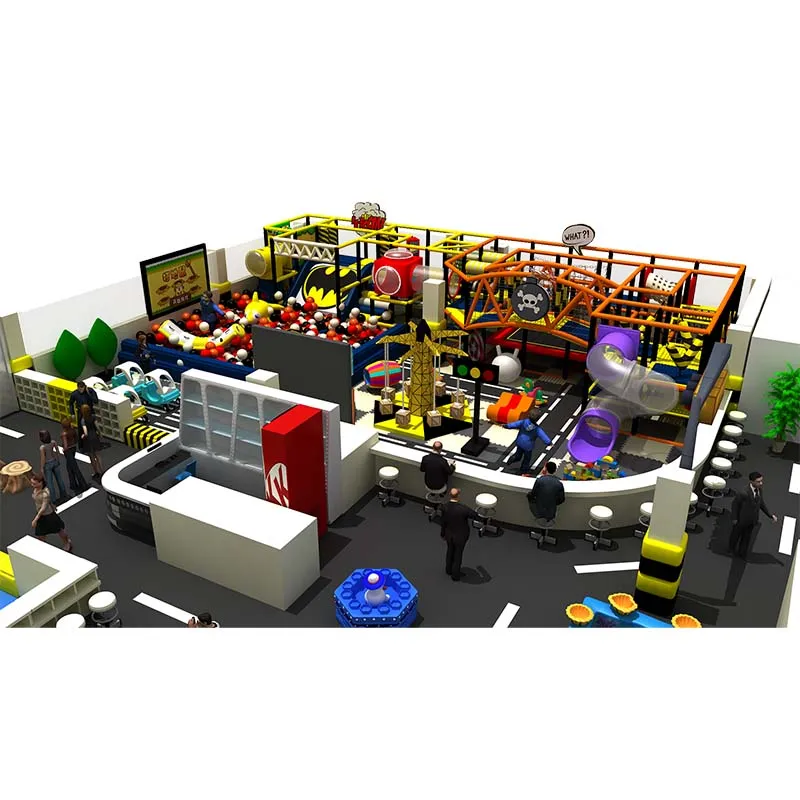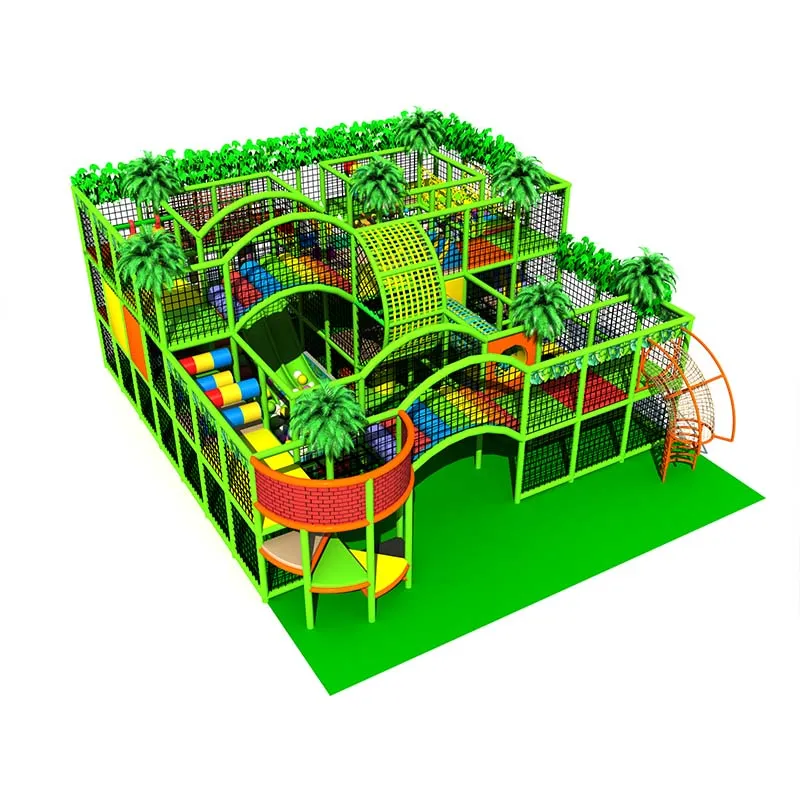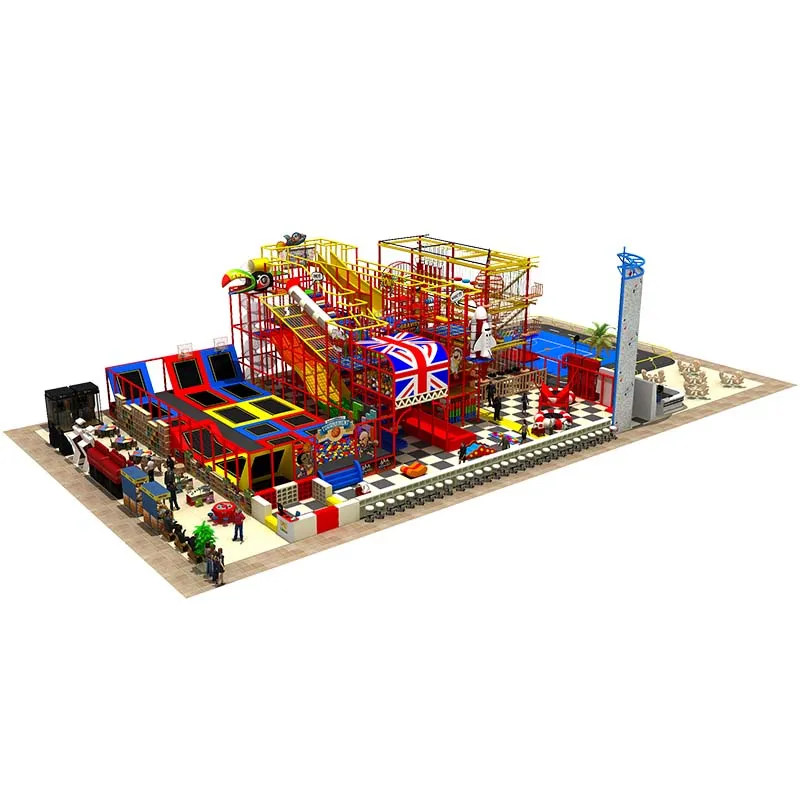
As modern indoor playgrounds continue to evolve, operators are searching for attractions that are visually striking, space-efficient, and capable of keeping children engaged longer. One of the newest concepts gaining popularity in commercial playground design is the Matrix Slide system.
A Matrix Slide is more than a traditional playground slide. It is a multi-level modular slide complex that combines climbing, exploration, and multiple sliding experiences into a single three-dimensional structure.
For indoor playground operators, trampoline parks, and family entertainment centers, a Matrix Slide often becomes the main attraction that draws children and families to the venue.
What Is a Matrix Slide?
A Matrix Slide is a modular playground structure that combines multiple slides, climbing elements, and elevated platforms within a grid-like architectural framework.
Unlike traditional slides that consist of a single path from top to bottom, matrix slide systems create multiple play routes, allowing children to explore, climb, and choose different sliding experiences.
Typical features include:
- Multiple parallel slides
- Climbing nets and obstacle paths
- Multi-level platforms
- Spiral, wave, or racing slide options
- Vertical play structures
Because of its three-dimensional layout, the Matrix Slide maximizes play capacity while using limited floor space, making it ideal for commercial indoor playgrounds.
Key Design Features of Matrix Slides
Multi-Path Climbing Structure
Instead of a single ladder, matrix slide systems often feature interconnected climbing routes, such as:
- rope climbing nets
- climbing walls
- spiral climbers
- stair access platforms
These elements help children improve balance, coordination, and physical strength while turning the climb into an adventure.
Multiple Slide Options
Matrix systems typically include several types of slides within one structure:
- Wave slides
- Spiral slides
- Racing slides
- High-speed straight slides
Children can choose different routes each time, which increases replay value and keeps the attraction exciting.
Interactive Platforms
At higher levels, platforms may include interactive play elements such as:
- periscopes
- talking tubes
- observation windows
These features encourage social interaction and imaginative play, turning the structure into more than just a slide tower.
Modular Expandable Design
One major advantage of matrix slides is their modular design.
This allows playground developers to:
- expand the structure later
- adjust size based on available space
- install both indoor and outdoor versions
Because of this flexibility, matrix slide systems can be customized for shopping malls, family entertainment centers, and community playgrounds.
Why Matrix Slides Are Popular in Indoor Playgrounds
Strong Visual Impact
Matrix slides feature geometric structures and large vertical installations that quickly become the visual centerpiece of a playground.
Many venues use them as their signature attraction to attract visitors.
Higher Play Capacity
Traditional slides allow only one child at a time.
Matrix slides support multiple simultaneous users, increasing throughput and reducing waiting times.
This is especially valuable for busy commercial play centers.
Encourages Social Play
Parallel racing slides and shared climbing routes encourage:
- friendly competition
- teamwork
- social interaction
These experiences make children more likely to return to the playground.
Safety Features in Matrix Slide Design
Safety is a critical factor in commercial playground equipment. Well-designed matrix slide systems usually include several protection features.
Soft Protective Padding
Critical structural areas are covered with high-density foam padding, reducing injury risk during accidental contact.
Anti-Slip Platforms
Platforms and steps typically use anti-slip materials to prevent slipping during climbing.
Seamless Slide Connections
Slide joints are designed to eliminate gaps and create a smooth sliding surface, preventing clothing or fingers from getting caught.
Rounded Edges
All connectors and metal components are rounded and enclosed to prevent scratches or impact injuries.
Many commercial playground products are designed to comply with international standards such as:
- EN 1176 (European playground safety standard)
- ASTM F1487 (United States playground standard)
Space Requirements for a Matrix Slide
The required installation area depends on the size and design of the structure.
Typical requirements include:
- Minimum footprint: approximately 12m × 8m
- Platform height: 3m – 5m
- Ceiling height requirement: at least 4m – 6m
For indoor playgrounds with limited floor space, the vertical design of matrix slides allows operators to maximize play value per square meter.
Commercial Advantages for Playground Operators
For investors and playground operators, the Matrix Slide can provide several business benefits.
Increased Foot Traffic
The visually impressive structure naturally attracts attention and encourages visitors to explore the venue.
Social Media Appeal
Large and unique playground structures are highly shareable on platforms like:
- TikTok
This can generate free organic promotion for the venue.
Higher Return on Investment
Because matrix slides accommodate multiple users and provide longer play experiences, they help increase customer retention and revenue potential.
Is a Matrix Slide Right for Your Playground?
Matrix slide systems are ideal for venues such as:
- indoor playgrounds
- trampoline parks
- family entertainment centers
- shopping mall play zones
- community recreation facilities
They are particularly suitable for playground operators looking to install a large, visually impressive centerpiece attraction.
Conclusion
Matrix slides represent a new generation of playground equipment that combines architecture, adventure, and play value into a single structure.
By integrating climbing networks, multiple slide types, and multi-level exploration platforms, they create a dynamic play experience that attracts children and increases engagement.
For commercial playground developers, a matrix slide can serve as both a core attraction and a powerful marketing tool, helping venues stand out in an increasingly competitive market.