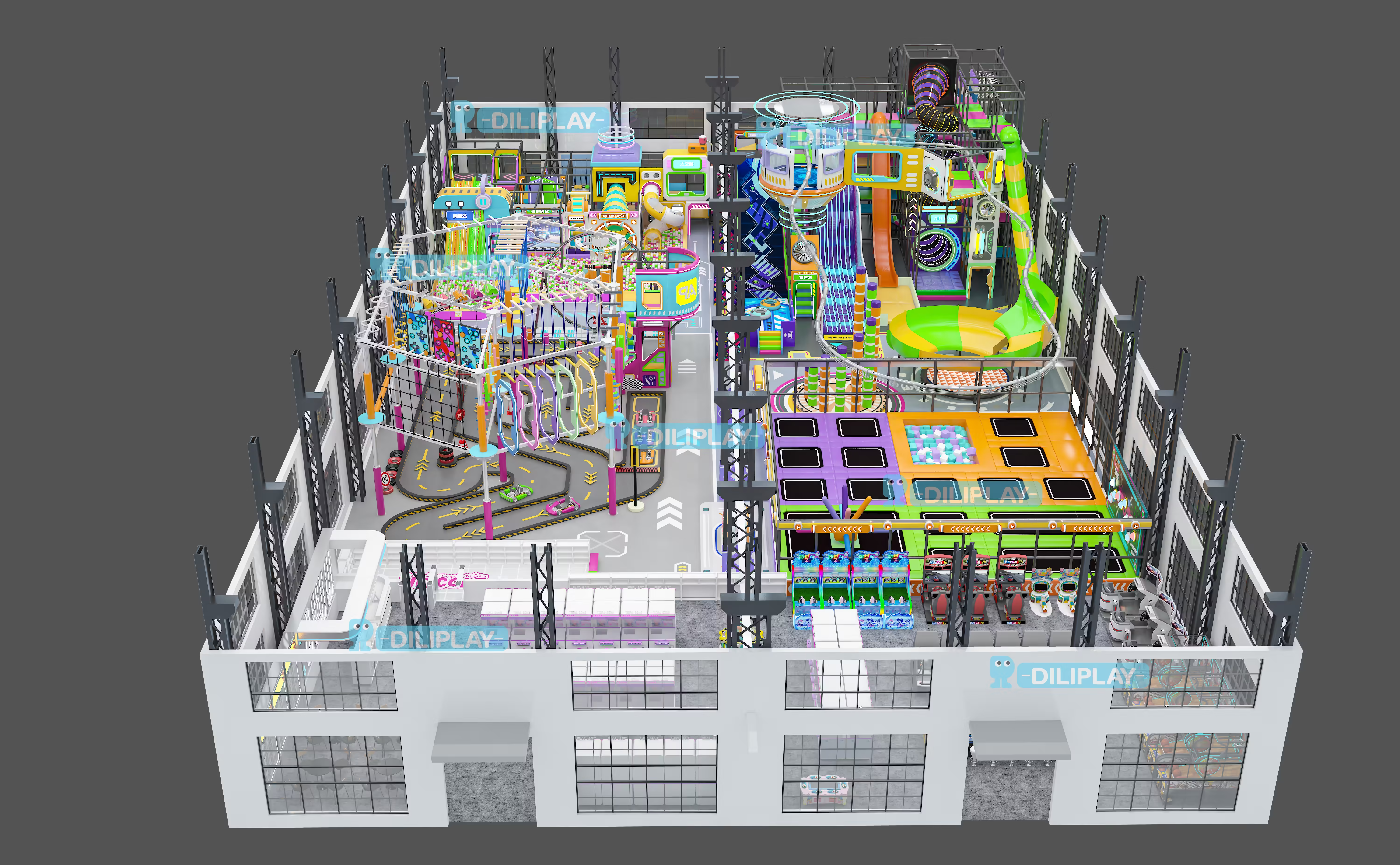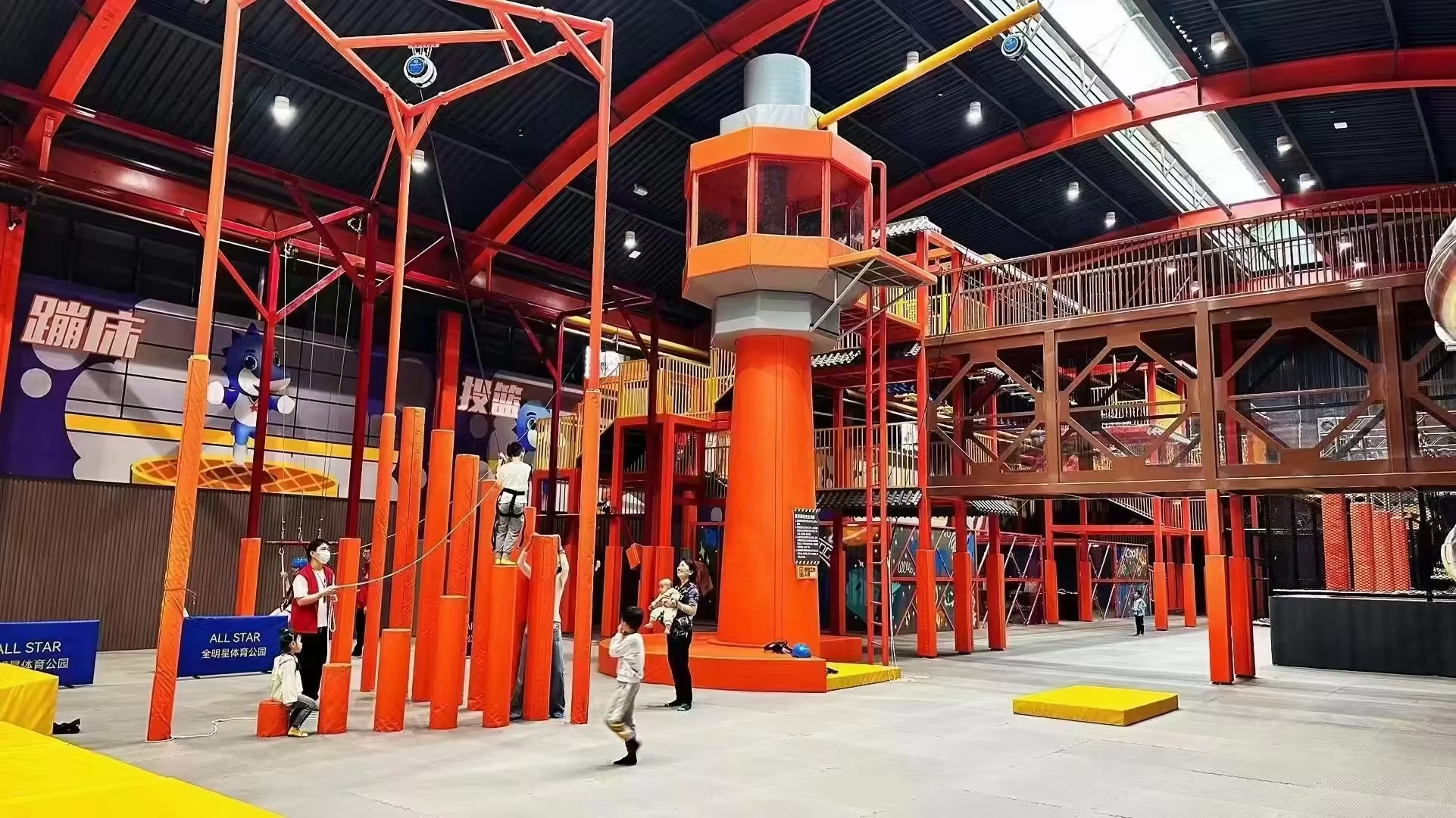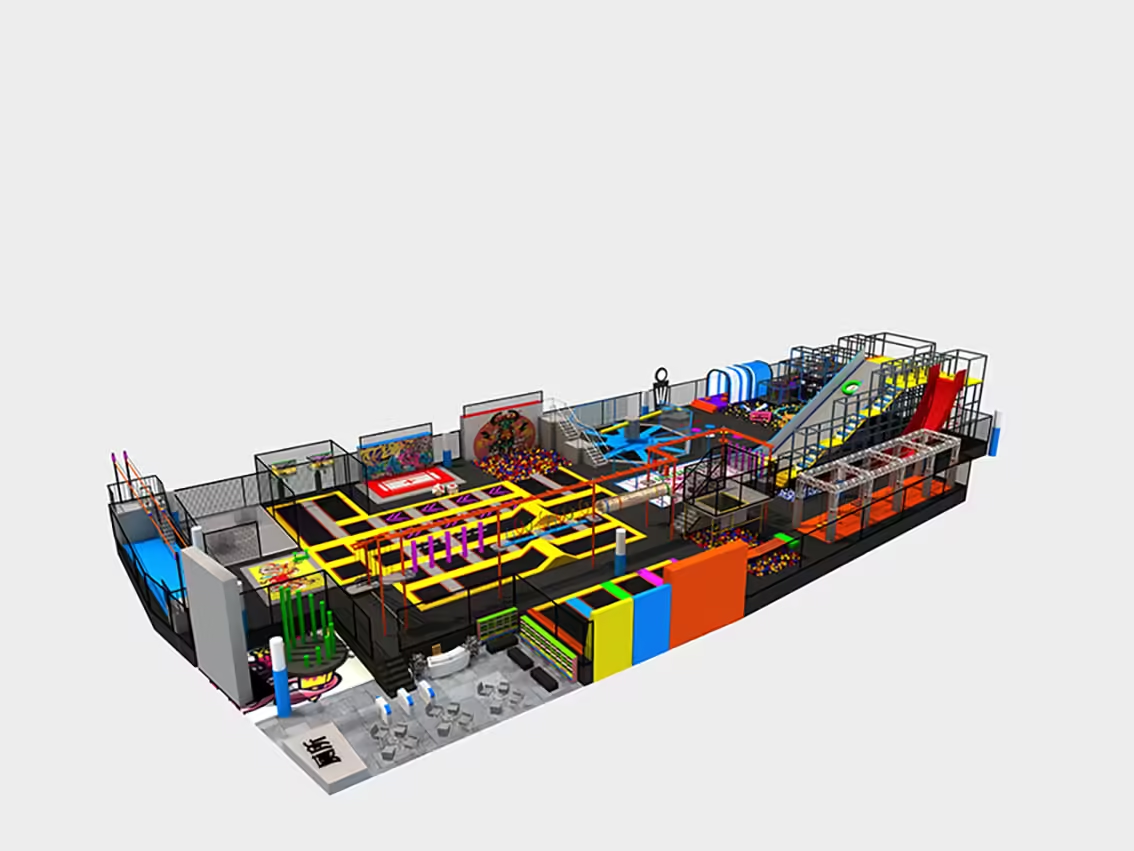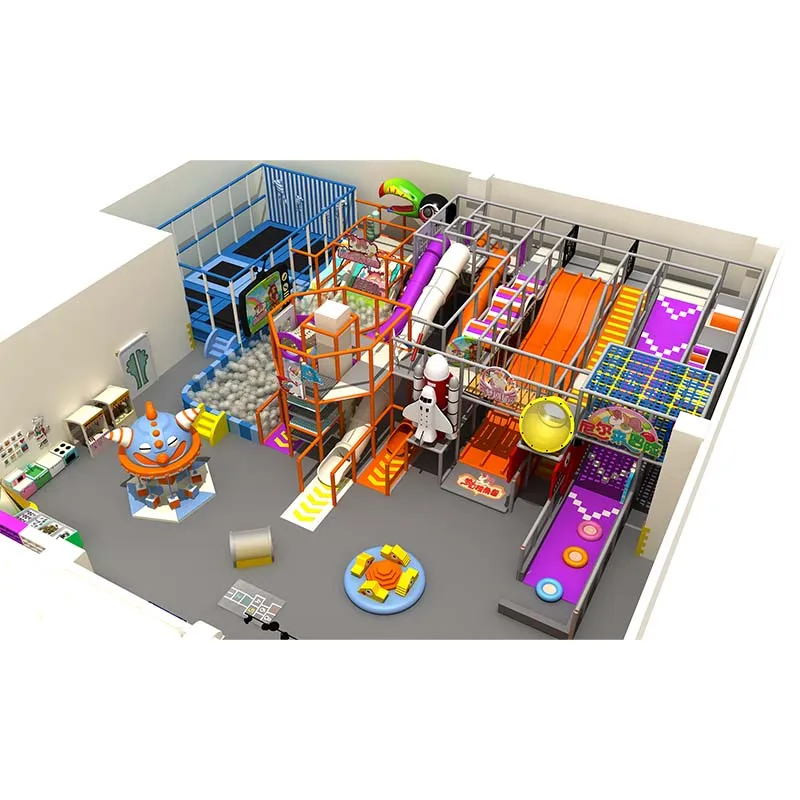
When planning a family entertainment venue, one question comes up again and again: Soft Play or Trampoline Park – which one is the better investment for your space?
With the rapid growth of parent-child消费场景, shopping malls, family centers, and community spaces are all looking for solutions that are safe, profitable, and attractive to families. This article breaks down the real differences between Soft Play and Trampoline Parks from an operator’s and investor’s point of view, helping you make a decision with confidence.
What Is Soft Play?
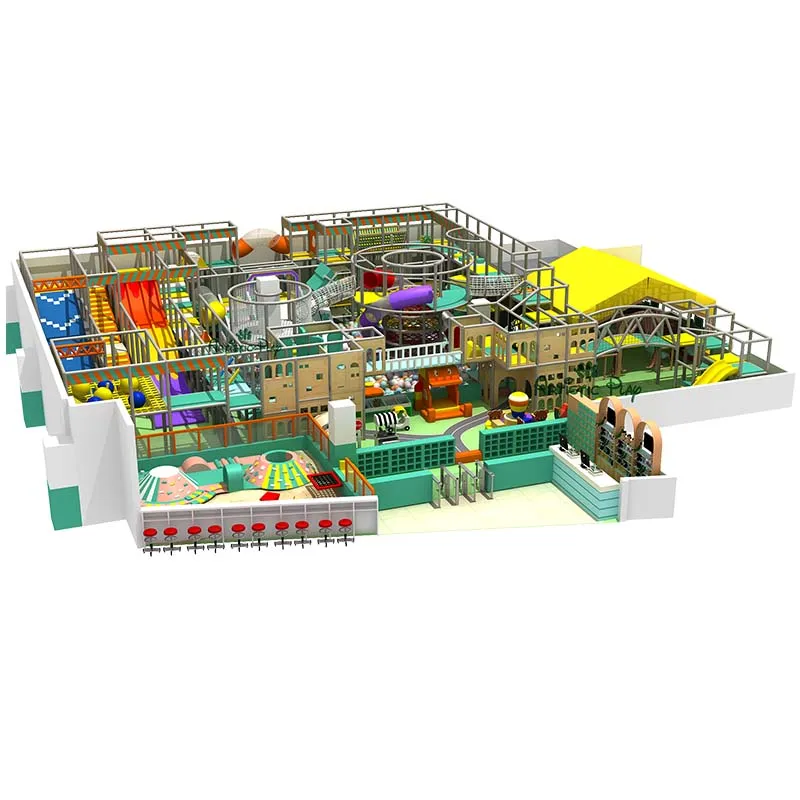
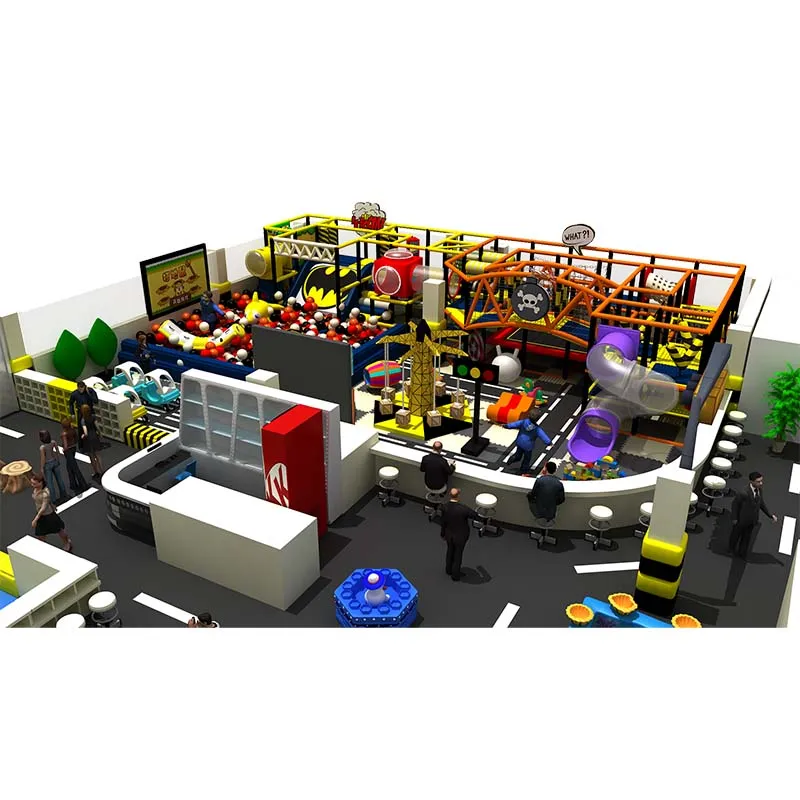
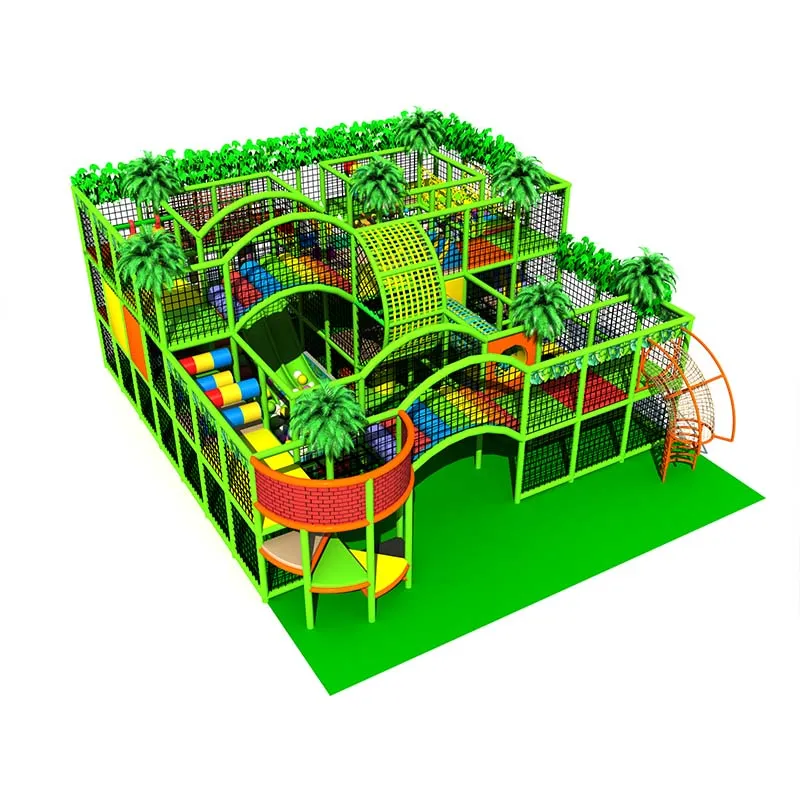
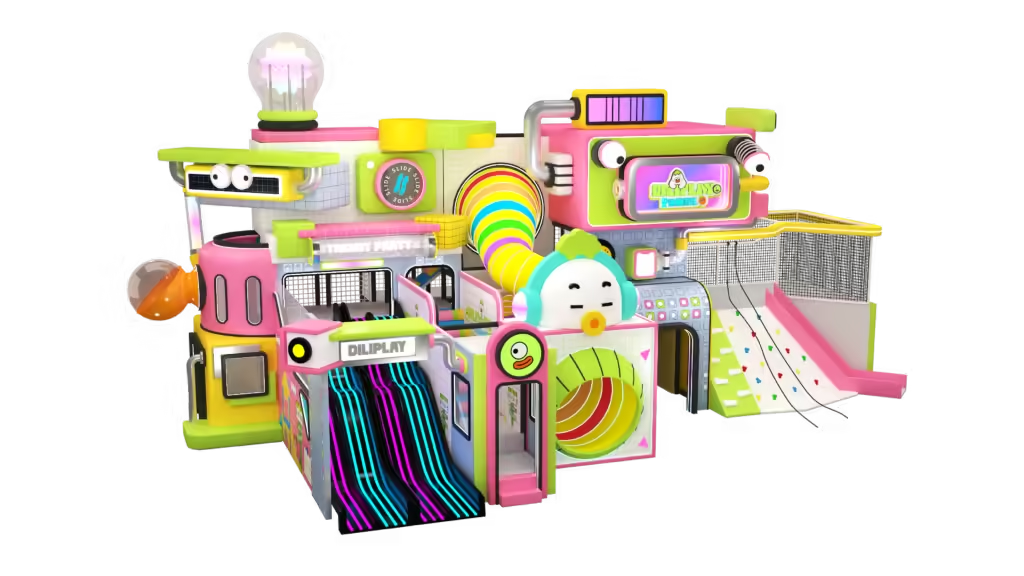
Soft Play refers to an indoor children’s play environment built mainly with soft, foam-based materials. It typically includes slides, ball pits, climbing structures, tunnels, crawling zones, and interactive elements designed specifically for young children.
Soft Play areas are especially popular in:
- Shopping malls
- Family entertainment centers (FECs)
- Early education centers
- Community indoor spaces
- Restaurants and cafés with kids’ zones
Key Advantages of Soft Play
1. High Safety Level
All structures are wrapped with soft padding, significantly reducing the risk of injury. This gives parents peace of mind and lowers liability concerns for operators.
2. Strong Parent–Child Interaction
Parents can enter the play area, accompany their children, and actively participate. This creates longer stay times and higher customer satisfaction.
3. Flexible Design for Any Space
Soft Play can be fully customized to fit irregular layouts, low ceilings, and small or medium-sized venues.
4. Lower Operating & Maintenance Costs
Compared with high-impact sports equipment, Soft Play structures experience less wear and tear, making cleaning and maintenance easier and more affordable.
What Is a Trampoline Park?
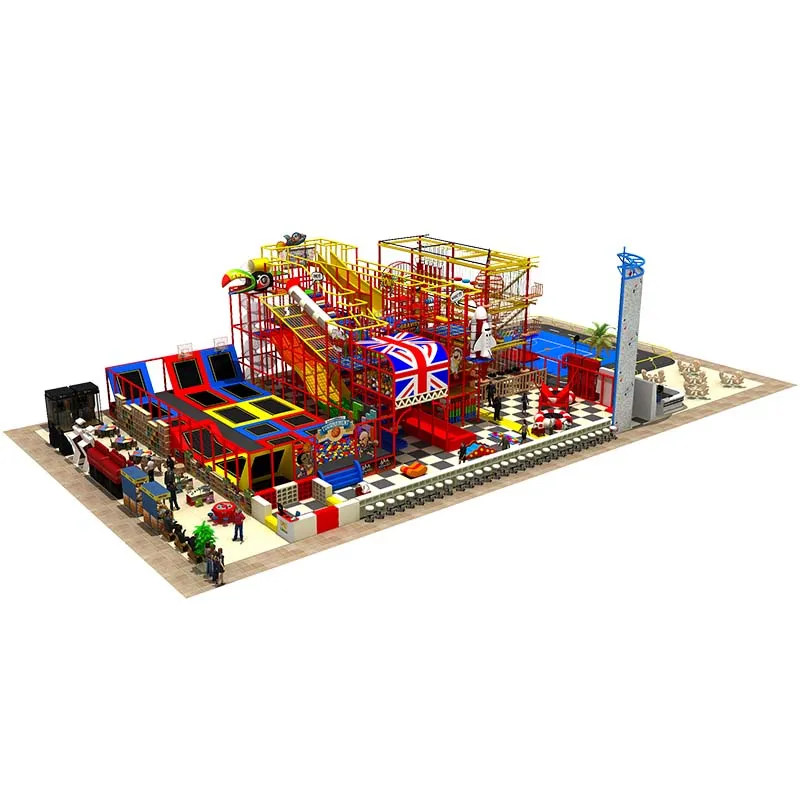
A Trampoline Park is a sports-oriented entertainment venue centered around large trampoline zones. It often includes free-jump areas, dodgeball courts, slam-dunk zones, parkour obstacles, and foam pits.
Trampoline parks are typically designed for:
- Older children
- Teenagers
- Young adults
- Group activities and fitness-focused play
Key Features of Trampoline Parks
1. High-Intensity Physical Activity
Jumping improves balance, coordination, and cardiovascular fitness.
2. Larger Space & Height Requirements
Most trampoline parks require high ceilings (usually 5–8 meters) and large open areas.
3. Narrower Target Age Group
Children under 6 are often restricted or need special zones, limiting family-wide participation.
4. Higher Risk & Faster Equipment Wear
Despite safety systems, high-impact jumping increases injury risk and leads to quicker equipment replacement.
Soft Play vs Trampoline Park: Side-by-Side Comparison
| Dimension | Soft Play | Trampoline Park |
|---|---|---|
| Suitable Age | 1–8 years | 6+ years |
| Space Flexibility | Very high, fully customizable | Low, strict venue requirements |
| Parental Participation | High, parents can play together | Medium, mostly supervision |
| Initial Investment | Moderate | High |
| Maintenance Cost | Low to moderate | High |
| Safety Level | Very high | Medium |
Which Is Better for Family-Oriented Venues?
For venues that focus on families, young children, and repeat visits, Soft Play clearly offers stronger advantages. Especially in malls and community spaces with limited indoor height, Soft Play delivers better safety, higher engagement, and more stable long-term returns.
Key Questions Investors Often Worry About (and Real Answers)
“Will Soft Play be less exciting than a trampoline park?”
Not at all. Modern Soft Play integrates slides with lighting effects, interactive obstacles, sensory play zones, and themed storytelling designs that keep children engaged for long periods.
“Is Soft Play profitable?”
Yes. Soft Play parks benefit from:
- Higher visit frequency (younger children come more often)
- Longer customer lifecycle (ages 1–8)
- Lower staff and maintenance costs
“Can Soft Play be upgraded later?”
Absolutely. Modular Soft Play systems allow easy expansion or redesign as your business grows.
How to Choose High-Quality Soft Play Equipment
1. Material Safety & Certification
Premium Soft Play equipment should use:
- Non-toxic EPE foam padding
- Durable, child-safe PVC leather
- Materials compliant with EN1176 (EU) or ASTM (USA) standards
2. Theme Customization & Visual Appeal
Popular themes include:
- Ocean
- Forest
- Space
- Castle
A strong theme improves brand recognition and social media shareability.
3. Modular Design for Long-Term ROI
Modular systems allow you to refresh layouts, add new elements, and extend the park’s lifecycle without rebuilding from scratch.
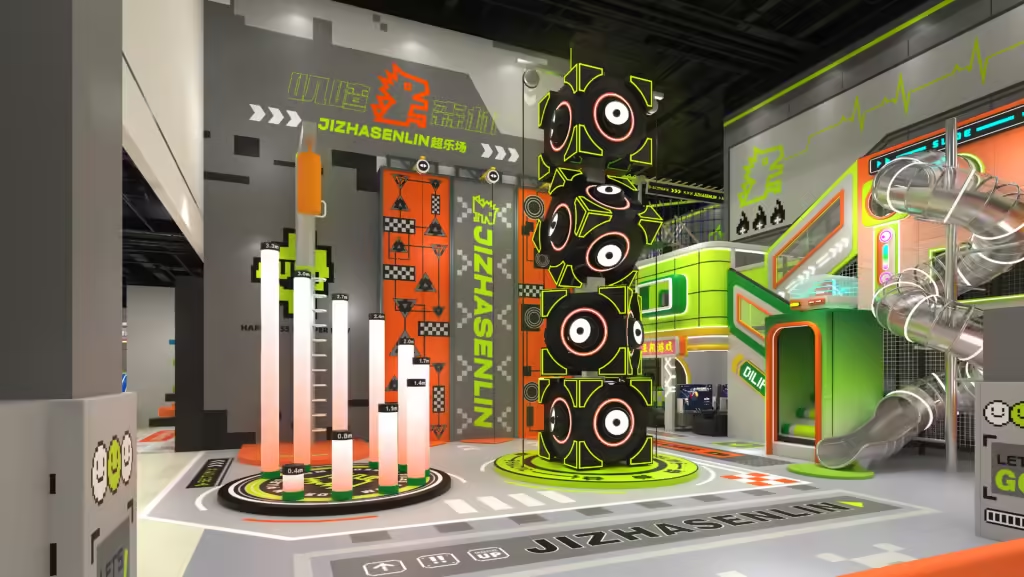
DILI — Professional Soft Play & Indoor Playground Manufacturer
If you are looking for a reliable Soft Play manufacturer, DILI is your trusted partner.
We specialize in:
- Custom Soft Play design
- Indoor playground manufacturing
- One-stop solutions: design, production, installation & after-sales support
Why choose DILI?
- Direct manufacturer (no middlemen)
- Custom designs tailored to your space
- International safety standards
- Global project experience
Whether you are opening a new family park or upgrading an existing venue, DILI helps you build a space that is safe, attractive, and profitable.
Final Conclusion: Safety + Experience = Long-Term Success
Both Soft Play and Trampoline Parks have their place in the market. However, if your goal is to create a family-friendly, safe, and highly interactive environment for young children, Soft Play is the smarter and more sustainable choice.
With the right design, high-quality equipment, and a professional manufacturer like DILI, Soft Play parks can achieve strong visual appeal, excellent user experience, and long-term profitability.
👉 Want a custom Soft Play solution for your space? Contact DILI today for design ideas and a tailored quotation.